
Hotel data personalization, Gold Mine Unlocked with PMS, CRS, Booking Engine to deliver Personalization #1 Technique
BY Ima Appweb ON August 12, 2024
Hotel data personalization: Hotel Data is a Gold Mine
Leveraging PMS, CRS, and Booking Engine Data for Deeper Hotel Data Personalization
The hospitality industry has always focused on creating memorable experiences, but in today’s digital landscape, hotel data personalization plays a crucial role in achieving this goal. Hoteliers have access to vast amounts of data from various sources like Property Management Systems (PMS), Central Reservation Systems (CRS), and booking engines. When used effectively, this data becomes the key to unlocking deeper levels of personalization, enhancing the guest experience, and driving revenue growth.
The Power of Hotel Data Personalization
In the competitive hospitality market, data is a powerful asset. With the right tools and strategies, hoteliers can turn raw data into actionable insights that help them understand guest preferences, anticipate needs, and deliver tailored experiences. By leveraging data from PMS, CRS, and booking engines, hotels can gain a comprehensive view of their guests and use this information to craft personalized marketing campaigns, optimize operations, and ultimately, build stronger relationships with their guests.
Understanding the Role of PMS, CRS, and Booking Engines in Hotel Data Personalization
Before diving into the benefits of data-driven personalization, it’s essential to understand the role of each system in the hospitality ecosystem:
- Property Management System (PMS): A PMS is the backbone of hotel operations, managing everything from reservations and check-ins to housekeeping and billing. It stores a wealth of guest information, including preferences, past stays, and special requests, which are crucial for effective hotel data personalization.
- Central Reservation System (CRS): The CRS centralizes the booking process, allowing hotels to manage reservations from multiple channels, including their website, OTAs, and GDS. It also provides data on booking patterns, guest demographics, and demand trends, all of which can be used to enhance hotel data personalization efforts.
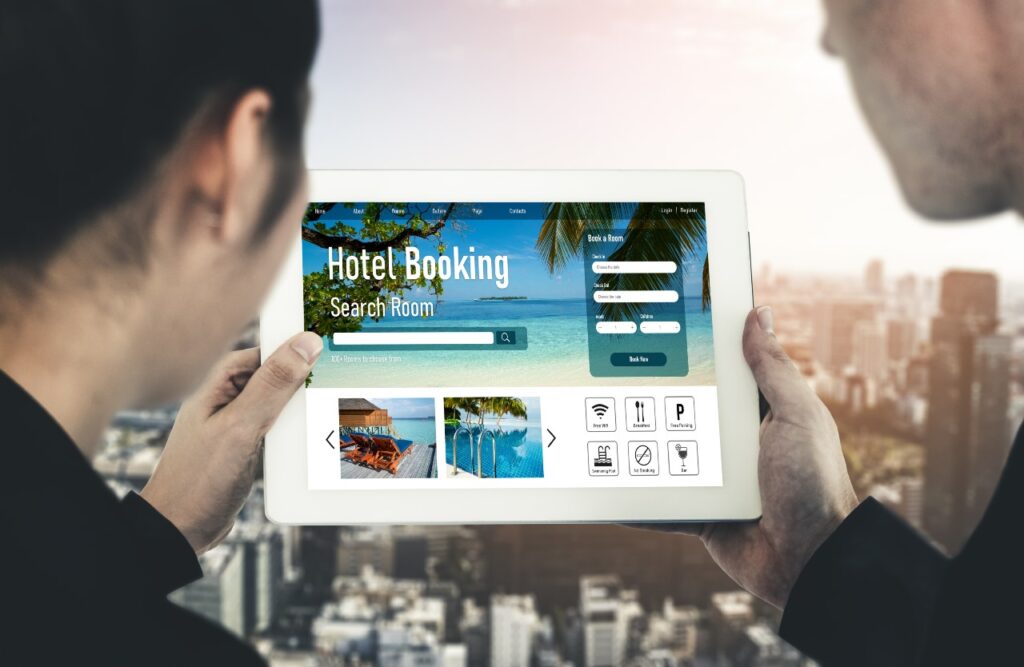
- Booking Engines: These online platforms facilitate direct bookings on a hotel’s website, capturing data on guest behavior, such as search preferences, booking windows, and device usage. This data is vital for understanding the guest journey and implementing effective hotel data personalization strategies.
Transforming Hotel Data into Personalized Experiences
With a clear understanding of the role of PMS, CRS, and booking engines, let’s explore how hotels can use this data to deliver personalized experiences:
1. Segmenting Guests for Targeted Marketing through Hotel Data Personalization
One of the most effective ways to use hotel data is through guest segmentation. By analyzing data from PMS, CRS, and booking engines, hotels can segment their guests based on various criteria, such as:
- Demographics (age, gender, location)
- Travel purpose (business, leisure, family)
- Booking behavior (direct bookings, OTA bookings, repeat guests)
- Stay patterns (frequency, duration, seasonality)
Once guests are segmented, hotels can create tailored marketing campaigns that resonate with each group. For example, a hotel might send a special offer for a weekend getaway to leisure travelers, while promoting conference packages to business travelers. By delivering relevant content through hotel data personalization, hotels can increase engagement, drive direct bookings, and build brand loyalty.
2. Enhancing the Guest Experience with Personalized Services Using Hotel Data
Data from PMS, CRS, and booking engines can also be used to enhance the on-property guest experience. For instance:
- Room Preferences: By analyzing past stay data, hotels can identify guest preferences for room types, bed configurations, and amenities. This information can be used to pre-assign rooms or offer personalized upgrades, making guests feel valued and understood, all thanks to effective hotel data personalization.
- Special Requests: If a guest has previously requested a hypoallergenic pillow or a vegan meal, the hotel can proactively offer these options during future stays. Anticipating needs not only enhances the guest experience but also fosters loyalty through consistent hotel data personalization.
- In-Room Technology: With the rise of smart rooms, hotels can use data to customize in-room technology, such as adjusting the lighting, temperature, and entertainment options based on guest preferences, further enhancing hotel data personalization.
3. Optimizing Revenue Management with Predictive Analytics and Hotel Data Personalization
Revenue management is another area where hotel data can make a significant impact. By leveraging data from CRS and booking engines, hotels can use predictive analytics to forecast demand, set optimal pricing, and maximize revenue. Key strategies include:
- Dynamic Pricing: Analyzing booking patterns and market trends allows hotels to adjust rates in real-time, ensuring they capture the highest possible revenue, a key benefit of hotel data personalization.
- Upselling and Cross-Selling: Data-driven insights can help hotels identify opportunities to upsell room categories or cross-sell additional services, such as spa treatments or dining experiences, based on guest preferences and booking history, enhancing the effectiveness of hotel data personalization.
- Demand Forecasting: By analyzing historical data and market trends, hotels can accurately predict periods of high and low demand, allowing them to optimize staffing, inventory, and marketing efforts, further supported by hotel data personalization strategies.
Case Studies: Hotels Leveraging Data for Hotel Data Personalization
Let’s take a look at some real-world examples of hotels that have successfully used data from PMS, CRS, and booking engines to deliver personalized experiences:
1. Marriott International
Marriott International has long been a leader in using data to enhance the guest experience. Through its Loyalty Program, Marriott collects extensive data on guest preferences, travel habits, and spending patterns. This data is used to offer personalized recommendations, such as suggesting nearby restaurants or attractions based on a guest’s location and past preferences. Marriott also uses data to tailor its marketing campaigns, ensuring that guests receive offers that are relevant to their interests, a perfect example of hotel data personalization in action.
2. Hilton Hotels & Resorts
Hilton Hotels & Resorts has implemented a Personalization Engine that leverages data from its PMS and CRS to create customized guest experiences. For example, Hilton’s system can recognize when a guest is traveling for a special occasion, such as an anniversary or birthday, and automatically trigger personalized services, such as a complimentary bottle of champagne or a room upgrade. Hilton’s focus on hotel data personalization has helped the brand build stronger relationships with its guests, leading to increased loyalty and repeat business.
Challenges and Considerations in Implementing Hotel Data Personalization
While the benefits of using hotel data for personalization are clear, there are also challenges that hoteliers must navigate:
1. Data Privacy and Security
As hotels collect more data on their guests, ensuring data privacy and security becomes increasingly important. Hoteliers must comply with data protection regulations, such as the GDPR, and implement robust security measures to protect guest information from breaches and unauthorized access, a crucial aspect of maintaining trust in hotel data personalization.
2. Integrating Data from Multiple Sources for Effective Hotel Data Personalization
One of the biggest challenges in leveraging hotel data is integrating data from multiple sources, such as PMS, CRS, and booking engines. To achieve a holistic view of the guest, hotels need to invest in technology solutions that can seamlessly integrate and analyze data from different systems, which is essential for effective hotel data personalization.
3. Maintaining Data Quality for Accurate Hotel Data Personalization
For data-driven personalization to be effective, hotels must ensure that their data is accurate, complete, and up-to-date. This requires regular data cleaning and validation processes, as well as ongoing training for staff to ensure that data is entered correctly and consistently. Maintaining data quality is crucial for successful hotel data personalization.
The Future of Hotel Data Personalization
As technology continues to evolve, the potential for data-driven personalization in the hospitality industry will only grow. Emerging trends include:
- Artificial Intelligence and Machine Learning: AI and machine learning algorithms can analyze vast amounts of data in real-time, identifying patterns and making predictions that can be used to deliver even more personalized experiences, further advancing hotel data personalization.
- Guest-Centric Technology: Innovations such as voice-activated assistants, mobile apps, and smart room controls are becoming more prevalent in hotels, allowing guests to customize their stay with ease and convenience, enhancing the hotel data personalization process.
- Omni-Channel Personalization: Hotels are increasingly looking to deliver a seamless, personalized experience across all touchpoints, from the booking process to post-stay communications. This requires a unified approach to data management and a deep understanding of the guest journey, all supported by comprehensive hotel data personalization strategies.
Conclusion
In today’s hospitality landscape, data is more than just numbers—it’s the key to unlocking deeper levels of personalization and enhancing the guest